



Beauty Salon
Public Liability Isn’t Enough: The Covers Most Beauty Therapists Forget About
 5 August 2025
 4 min read
Running a beauty therapy business means more than delivering flawless treatments. Whether working from home, visiting clients, or renting a salon chair, beauty therapists face unique insurance risks that go beyond the basics. One of the most common oversights? Believing public liability insurance is all that is needed.
Let’s explore the wider protection beauty therapists might need and the real costs of being underinsured.
Why Public Liability Insurance Might Not Be Enough
Public liability insurance is a key starting point. It can help protect against claims from clients or members of the public who suffer injury or property damage because of your work. For example, if a client trips over your massage table or reacts badly to a spilled product, this cover could step in.
However, it does not account for everything that can go wrong in a beauty business. If a client alleges injury from a treatment or a mistake in professional advice leads to harm, public liability might not apply.
Key Insurance Covers Beauty Therapists Often Overlook
1. Treatment Risk Cover
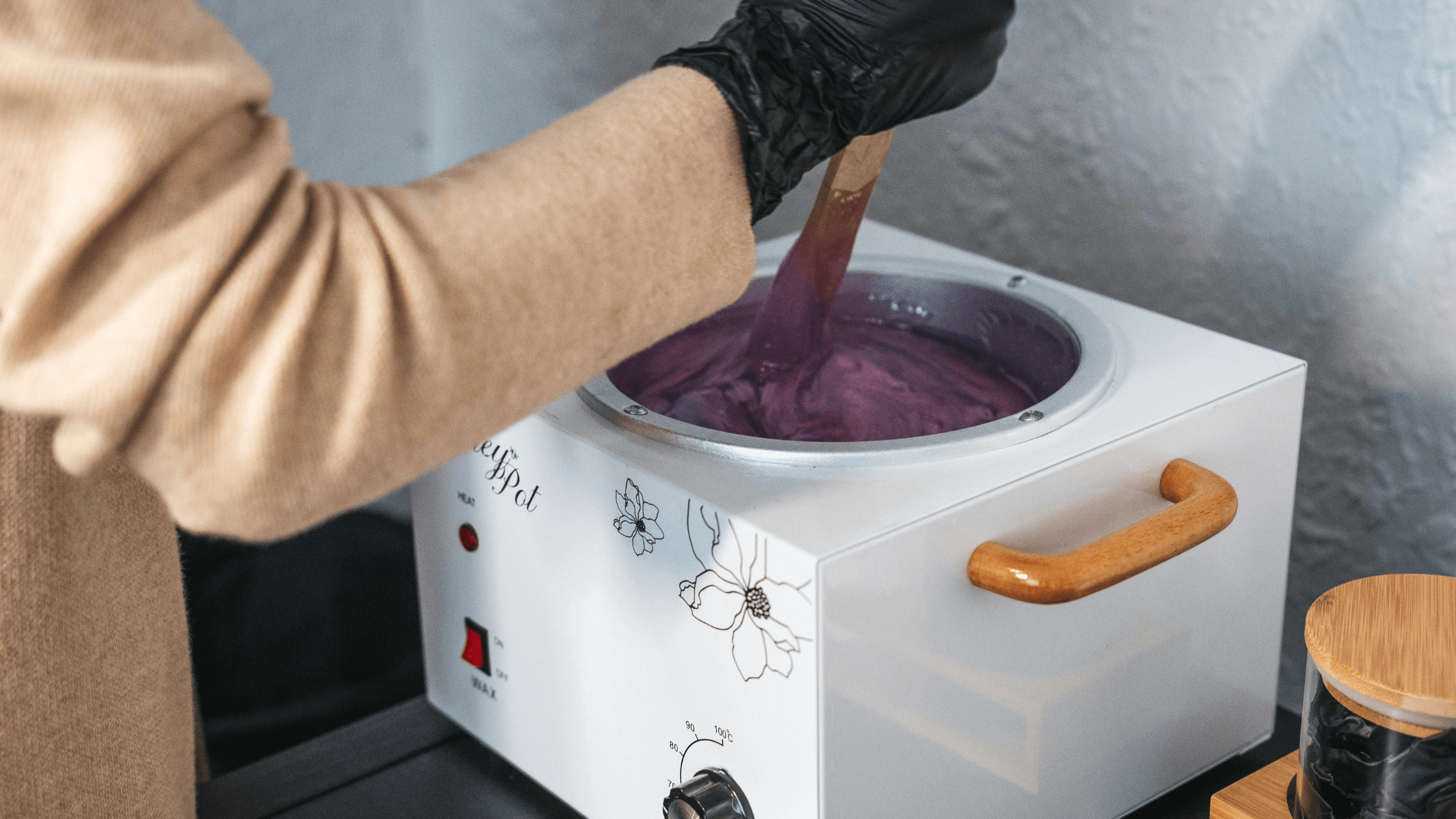
This type of cover can help protect against claims where a treatment causes injury, discomfort, or visible skin damage. Even trained therapists using high-quality products can see things go wrong. A client developing an allergic reaction or burns during a wax treatment could pursue legal action. Without treatment risk included, this kind of claim might not be covered.
2. Product Liability Insurance
If you sell or supply products as part of your service, such as skincare or aftercare kits, product liability could be essential. It can help protect against claims if a product causes harm, whether due to a reaction or faulty packaging.
3. Professional Indemnity Insurance
Professional indemnity cover is often forgotten by beauty professionals, but it could be just as crucial as public liability. It can help in cases where clients claim they suffered harm because of incorrect advice or a mistake during treatment. This includes accusations of negligence, errors, or poor aftercare guidance.
4. Portable Equipment and Tool Cover
Your tools are your livelihood. From massage beds to LED therapy machines, replacing stolen or damaged kit could come at a high cost. Tool cover can help keep your business running if your equipment is lost, damaged, or stolen, whether on-site, in transit, or at home.
5. Personal Accident Cover
Beauty therapy is hands-on work. A back strain, repetitive strain injury, or other accident could make it hard to carry on. Personal accident cover can offer support if you are unable to work due to injury, helping bridge the financial gap during recovery.
When Do Beauty Therapists Need These Covers?
You might need broader cover if you:
Offer treatments with physical contact or tools
Sell products alongside your services
Work mobile, at client homes, or in rented salons
Operate without staff but rely solely on your income
Advise clients about treatments or aftercare
Insurance is not one-size-fits-all. Even self-employed therapists working part-time from home can face claims that fall outside basic public liability.
Getting the Right Cover in Place
We help arrange cover that considers the specific needs of beauty professionals. While public liability is a smart foundation, it is not the full picture. A wider portfolio of protection can help safeguard your business reputation and financial stability.


Related Articles

Working at Height, Risk on the Ground: Why Roofers and Scaffolders Need the Right Insurance
Roofing and scaffolding are trades where physical risk is part of the job. From unstable ladders to falling tools, the nature of working at height presents more hazards than many other professions. In these trades, one incident could lead to an expensive claim, business interruption or injury. Specialist roofer insurance can help protect against the financial consequences of these risks.


From Side Hustles to Full-Time Freelancers: Why Self-Employed Insurance Matters
Self-employed business insurance is often overlooked by freelancers, contractors, and side hustle owners. Whether running a part-time venture or working as a full-time sole trader, insurance could help protect against unexpected financial risks that may otherwise threaten both business and personal finances.

Self-Employed Insurance Checklist: Essential Covers You Shouldn’t Overlook
Self-employed business insurance can provide vital financial protection for sole traders, freelancers, and consultants across the UK. Whether working from home, visiting clients, or running a mobile service, risks such as accidents, theft, or claims against your work could carry serious consequences.


