

Chimney Sweep
Working at Height on Chimney Access
 19 November 2026
 5 min read
Most chimney sweeping is done from inside the home, but some jobs mean going up onto the roof. Fitting cowls, clearing blockages from above, checking chimney pots or inspecting stacks can all involve working at height.
A fall from height can cause serious injury. In this guide, we look at how chimney sweeps can work safely at height and what to check in your insurance.
Know the rules on working at height
The Work at Height Regulations 2005 apply to anyone working at height in Great Britain, including self-employed chimney sweeps.
In simple terms, you should:
Avoid working at height where you can
Use the right equipment to prevent falls when you can't avoid it
Reduce the distance and consequences of a fall if the risk can't be removed
The HSE has guidance on working at height, including using ladders safely.
Can the job be done from below?
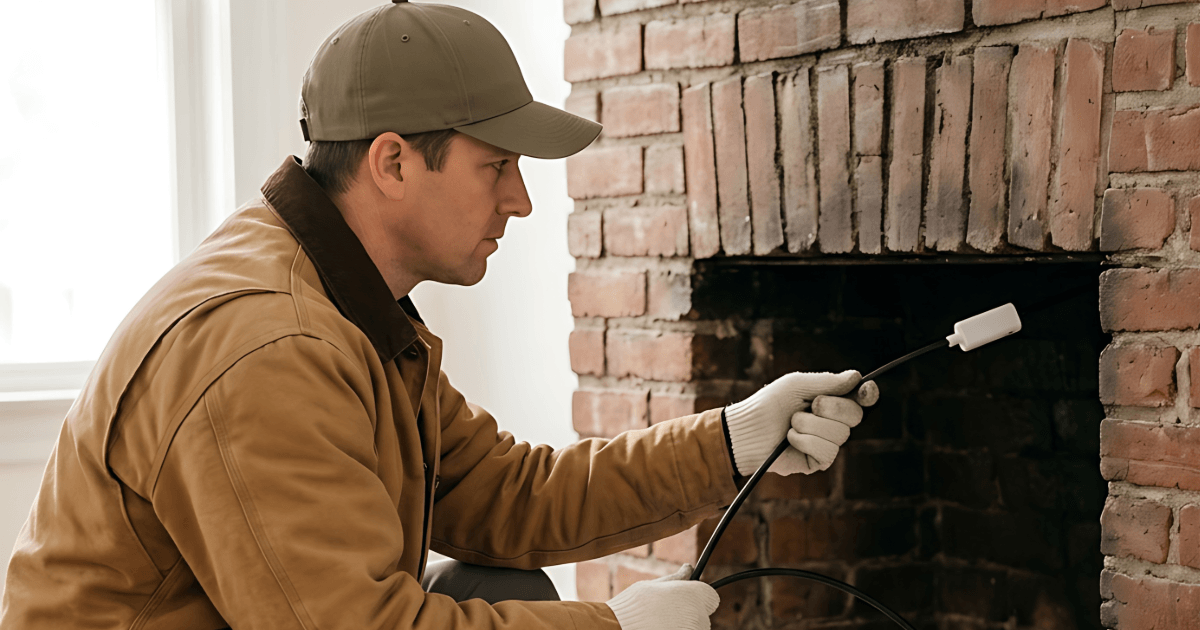
Before you go up, ask whether the job can be done safely from inside the property. Many chimneys can be swept from the fireplace, and some inspections can be done with a camera.
Only work on the roof when it's genuinely needed.
Plan the job
If you do need to access the roof, plan the work first:
Check the roof condition, including loose or fragile tiles
Look for fragile surfaces, such as skylights and old roofing materials
Check the weather, and avoid working in wet, icy or windy conditions
Check for overhead power lines near the property
Plan how you'll get yourself and your tools up and down safely
Use the right access equipment
The right equipment depends on the job and the building. Options may include:
Ladders: suitable for short, simple tasks if used safely, secured and in good condition
Roof ladders: to spread your weight and give a safe foothold on pitched roofs
Scaffold towers or scaffolding: for longer or more complex jobs
Mobile elevating work platforms (MEWPs): for difficult access
Inspect your equipment regularly and replace anything that's damaged.
Protect people below
Falling tools, tiles or debris can injure people below or damage property. Keep the area below clear, use barriers where needed, and secure tools so they can't fall.
Check your insurance
Working at height increases the risks for you and for others. Before you work on roofs, check:
Public liability: does your policy cover work at height? Some policies have height limits or exclusions.
Employers' liability: if you have staff, this is usually a legal requirement.
Personal accident: personal accident insurance can help if you're injured and unable to work.
Our guide to public liability vs professional indemnity for chimney sweeps explains these covers in more detail.
Frequently Asked Questions
Do the Work at Height Regulations apply to self-employed chimney sweeps?
Yes. They apply to self-employed people as well as employers.
Can I use a ladder to access a chimney?
Ladders can be used for short, simple tasks if they're the right type and used safely. For longer or more complex work, other access equipment may be more suitable.
Does my insurance cover working on roofs?
Not always. Some policies have height limits or exclusions, so check your policy wording.
Stay safe and stay covered
Planning your work and using the right equipment can help you avoid falls. The right insurance can help protect you if something goes wrong.
Get a chimney sweep insurance quote with Insurance Revolution
Sources


Related Articles

Do You Need Professional Indemnity as a Videographer?
Missed moments, lost footage or copyright issues could lead to a claim. Here's how professional indemnity can help videographers.

Protecting Your Cameras and Equipment as a Videographer
Your cameras and kit are the heart of your business. Here's how to protect them and what to check in your insurance.
How Much Public Liability Cover Does a Tree Surgeon Need?
There's no single right level of public liability cover for tree surgeons. Here are the factors that help you decide.