


Help & Guides
Diesel, Petrol, Electric or Hybrid, What are the advantages of each?
 9 December 2025
 3 min read
We recently did a post on things to consider when choosing a company car. Our first tip was the check the engine. We felt this deserved an article of its own to help you choose Diesel, Petrol, Electric or Hybrid.
Diesel engines offer a great fuel economy, providing drivers with 25% to 30% better fuel usage on average compared to petrol engines on long journeys. It is not just petrol engines that diesel vehicles offer a better fuel economy compared to, petrol-electric hybrids fall short too. This is because diesel is one of the most efficient fuels available. Diesel engines don’t have any distributors or spark plugs so the engines don’t have to go in for ignition tune-ups.
Petrol engines are cheaper to buy than diesel cars are and tend to have quieter engines and less vibration than diesel vehicles. They can also be cheaper to maintain and service than diesel vehicles. Petrol tends to be a much cheaper fuel to buy than diesel at the petrol station so if you don’t drive your vehicle very much; petrol vehicles are much cheaper to run.
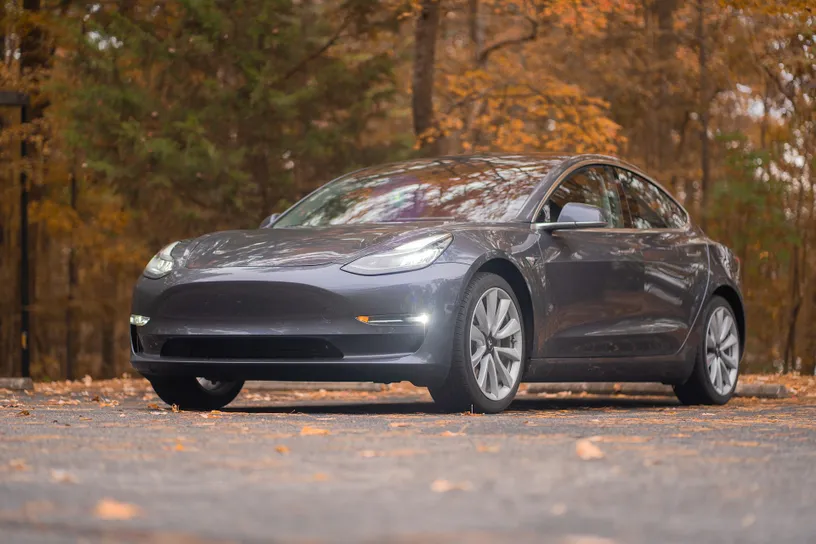
Electric cars are quiet and quick vehicles so that they offer a very smooth ride compared to other vehicles. They are also cheaper to run than other vehicles as electricity is much cheaper to produce than petrol or diesel. You can also recharge your electric vehicle at home, meaning you don’t have to go out to refuel. And as they have no carbon emissions, you don’t have to pay any road tax on most electric vehicles. But, although increasing, the number of charging points in the country are few and far between. Unfortunately if you are doing long distances, electric cars are probably not an option for you.
Hybrid vehicles combine the positive aspects of the petrol engine with the positive aspects of the electric car. They produce lower CO2 emissions than petrol and diesel vehicles so the road tax is lower than other vehicles of the same size. There are also lots of different credit incentives to help purchase hybrid cars, which makes buying them cheaper than buying a diesel or petrol vehicle.


Related Articles
Electric Car Statistics UK: The Latest Facts and Figures for 2026
Electric cars have become an increasingly common sight on UK roads. Improvements in battery technology, a growing choice of models and investment in charging infrastructure have helped make electric vehicles (EVs) a more realistic option for many drivers.


How Much Do Uber Drivers Make In 2026
Becoming an Uber driver can offer flexibility, allowing you to choose when and where you work. But how much can you realistically earn in 2026? There is no fixed salary for Uber drivers in the UK. Your earnings depend on several factors, including where you work, how many hours you drive, passenger demand and the costs of running your vehicle.

Class 1, 2 & 3 Business Vehicle Use Explained
If you use a car or van for work, you may need more than standard social, domestic and commuting insurance. Business vehicle insurance can cover work-related journeys, but the level of business use you need can depend on how, where and how often you drive for work.