

Help & Guides
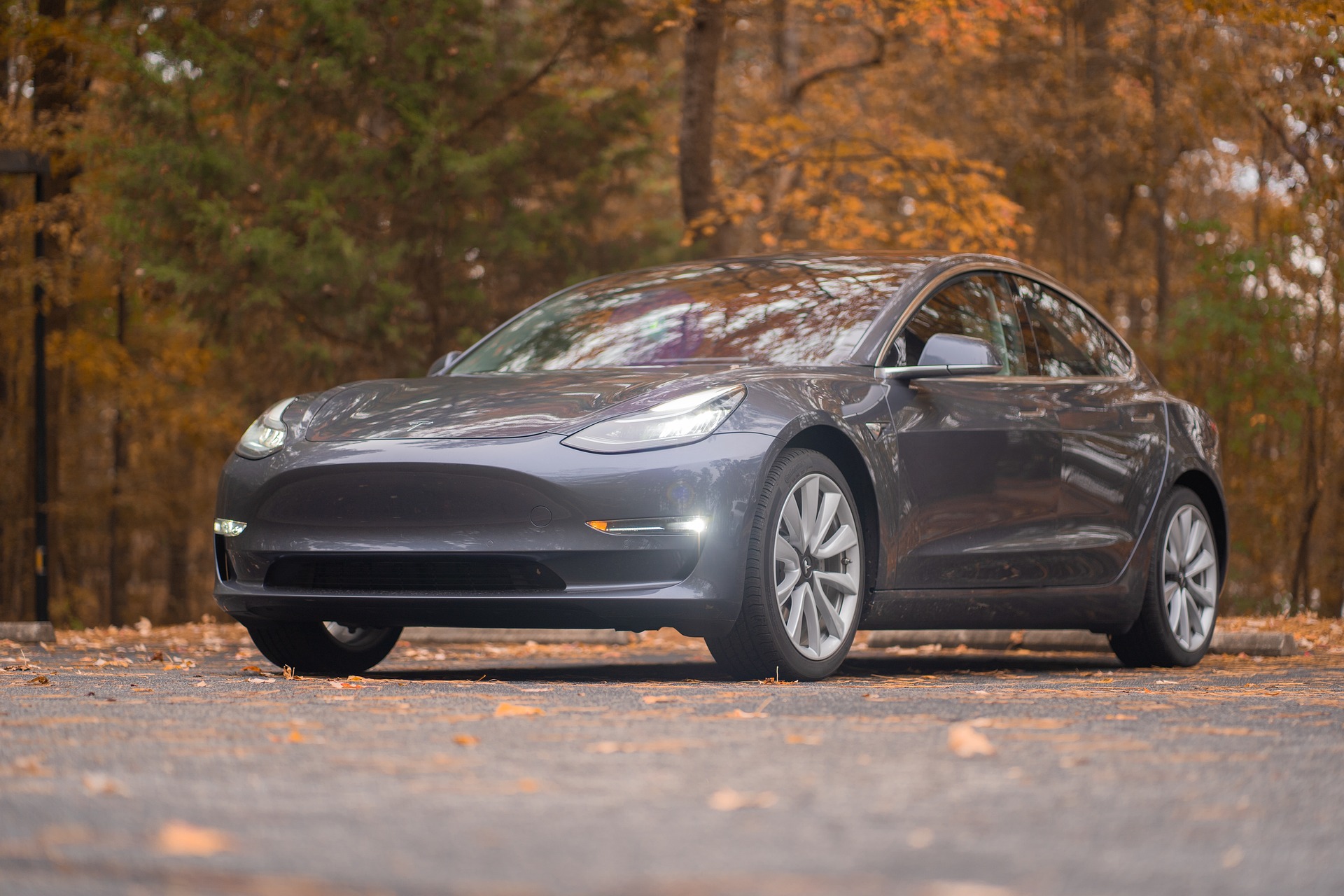
Electric Cars: The Future Of Motoring
 29 July 2020
 4 min read
The motor industry is one of the most exciting in the world. It’s constantly changing and evolving as new models and economic methods are brought into production. One of the most prominent developments within the motor industry in recent years is the invention of the electric car. But do these vehicles have any real benefits? Let’s take a look.
They don’t require petrol/diesel
With an electric car, standing at a refuelling station in the cold, wishing the tank would fill up quicker, is a thing of the past. One of the most attractive qualities of an electric car is that it does not require petrol or diesel to run.
Instead, all you have to do is drive into your garage or driveway and plug your car into the charging inlet.
Just like a mobile phone, you can leave your car charging overnight, start the engine ready for your morning commute, and you’ll have a fully charged battery ready to travel upwards of 100 miles.
They’re emission-free
Electric cars produce zero tailpipe emissions, meaning they’re much better for the environment than standard fuel vehicles.
In heavily congested areas, such as central London, electric cars could cut the damage to the air quality immensely. This means that families living in this area, and any other area where electric cars are popular, would benefit from improved air quality.
They’re not as expensive as they once were
Many people still believe that one of the main drawbacks of electric cars is that they are expensive. Nowadays, electric car batteries are being mass-produced, and there are tax incentives available to electric car owners, both personal and business owners alike. In essence, this results in the cost and maintenance of electric vehicles decreasing.
They don’t require as much maintenance
Electric cars run on engines powered by electricity, so there is no need to lubricate them. The engine is relatively simple compared to a petrol or diesel engine.
Expensive engine work is a thing of the past. In fact, many new car manufacturers are offering 8-year/100,000-mile warranties on their vehicles, with tests indicating that today’s electric car batteries may last upwards of 12 years before needing maintenance.


Related Articles
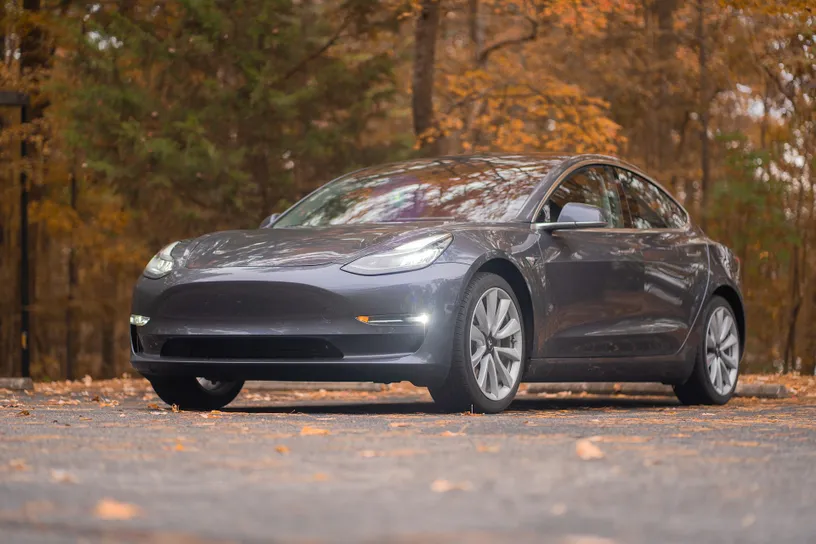
Electric Car Statistics UK: The Latest Facts and Figures for 2026
Electric cars have become an increasingly common sight on UK roads. Improvements in battery technology, a growing choice of models and investment in charging infrastructure have helped make electric vehicles (EVs) a more realistic option for many drivers.

How Much Do Uber Drivers Make In 2026
Becoming an Uber driver can offer flexibility, allowing you to choose when and where you work. But how much can you realistically earn in 2026? There is no fixed salary for Uber drivers in the UK. Your earnings depend on several factors, including where you work, how many hours you drive, passenger demand and the costs of running your vehicle.

Class 1, 2 & 3 Business Vehicle Use Explained
If you use a car or van for work, you may need more than standard social, domestic and commuting insurance. Business vehicle insurance can cover work-related journeys, but the level of business use you need can depend on how, where and how often you drive for work.