

Excavator & Digger
How to Prevent Excavator Theft and Lower Your Insurance Premium
 30 January 2026
 6 min read
Excavators and mini diggers are among the most stolen types of plant equipment in the UK. With units valued anywhere from £15,000 to over £200,000, one theft can devastate your business and drive up your insurance costs.
This guide outlines practical ways to secure your equipment, reduce theft risk, and potentially cut your excavator insurance premium.
Why Are Excavators a Top Target?
Easy to move: Mini diggers can be loaded onto trailers within minutes
High resale value: Parts are valuable on black markets
Remote sites: Poor lighting and limited surveillance
Lack of tracking: Many machines still aren’t fitted with GPS
As a result, insurers factor theft risk heavily into digger insurance premiums especially for contractors operating on unsecured or unmanned sites.
1. Install Tracking and Immobilisers
Fitting a Thatcham-approved GPS tracker or immobiliser is one of the most effective ways to recover stolen equipment and some insurers offer discounts for it.
Look for:
Live GPS tracking with movement alerts
Remote shutdown features
Automatic immobilisation outside working hours
Register the device with a plant recovery scheme like CESAR for added deterrence.
2. Use Physical Security Measures
Deterrents make your machine less attractive to opportunists. These include:
Lockable fuel caps and control panels
Arm locks and hydraulic locks
Wheel clamps or track guards
Secure fencing or containers when not in use
Many thefts happen overnight, visible defences can make criminals think twice.
3. Log Serial Numbers and Mark Your Equipment
Keep a record of:
Chassis number
Serial numbers of key components
Photographs of your machine
You can also etch or stamp your business details onto body panels or glass. These small steps aid recovery and support claims in the event of theft.
4. Review Your Site Security
Install motion-sensitive flood lighting
Use mobile CCTV towers where permanent power isn’t available
Keep machines locked in steel containers or behind gates
Appoint a security patrol for high-value or long-term sites
Inform your insurer of any enhanced security, this may help reduce your premium.
5. Tailor Your Policy to Your Risk
Make sure your excavator insurance reflects:
The true value of your machine
Whether it’s hired or owned
Where and how it’s stored
What security measures you’ve taken
Over-insuring increases costs unnecessarily. Underinsuring could void a claim. A good broker will help find the balance and match your premium to your precautions.
Final Thoughts
Theft prevention is about more than protecting your digger, it’s about safeguarding your livelihood and keeping insurance costs manageable. By combining smart deterrents with the right cover, you reduce risk and avoid nasty surprises when something goes wrong.


Related Articles
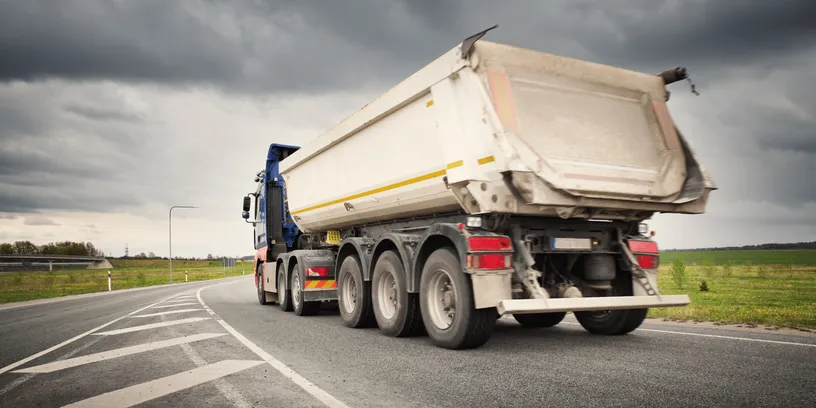
Top 5 Dumper Truck Insurance Claims (and How to Avoid Them)
Dumper trucks are tough machines, but they’re not immune to risk. From theft to tip-overs, the types of claims insurers see from UK construction and groundwork firms often follow a pattern. In this blog, we reveal the five most common dumper truck insurance claims, and how you can avoid them to reduce downtime and protect your insurance premium.

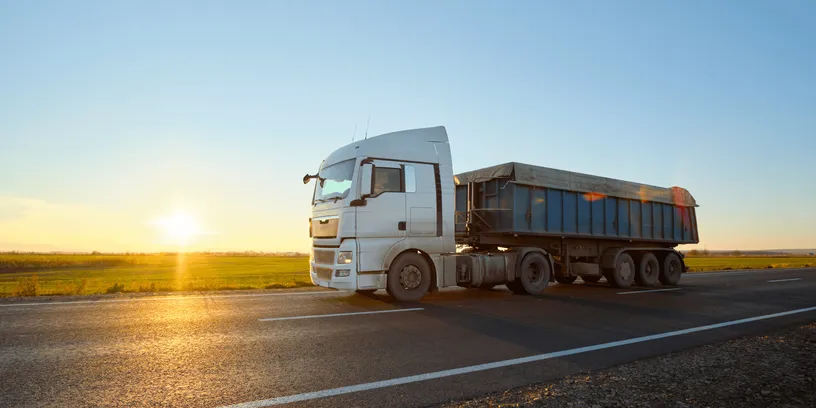
Owned vs Hired Dumper Truck Insurance, What’s the Difference?
Whether you own your dumper trucks or hire them in for specific jobs, the type of insurance you need can differ significantly. Confusing these two could leave you underinsured, or paying for cover you don’t need. This guide explains the key differences between owned and hired-in dumper truck insurance, and how to choose the right policy for your business.
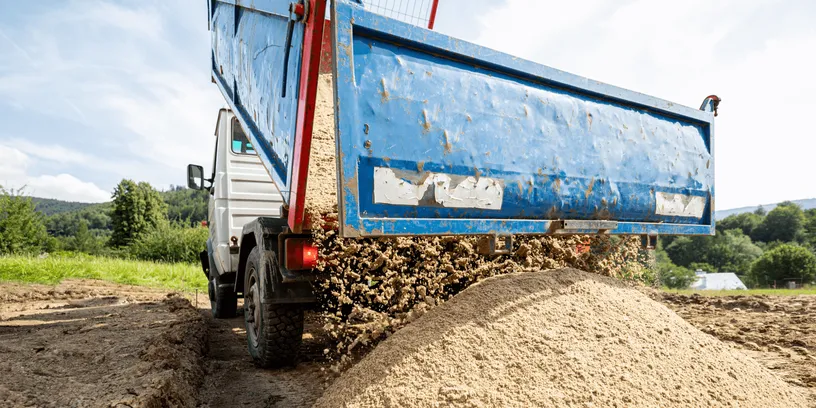
Do I Need Dumper Truck Insurance? A Quick Guide for UK Site Operators
Dumper trucks are essential for moving heavy loads on construction and groundwork sites but they’re also high-risk machines prone to accidents, theft and damage. Whether you own or hire a dumper, having the right insurance in place is key to keeping your business protected and projects moving.