

Excavator & Digger
Mini Digger vs Large Excavator Insurance, What’s the Difference?
 30 January 2026
 6 min read
Not all diggers are treated equally when it comes to insurance. Whether you’re operating a compact mini digger for landscaping or a large excavator for major groundwork, the type of machine affects the level of risk and the insurance you need.
In this guide, we break down the key differences between insuring mini diggers and full-sized excavators, so you can get the right protection for your plant.
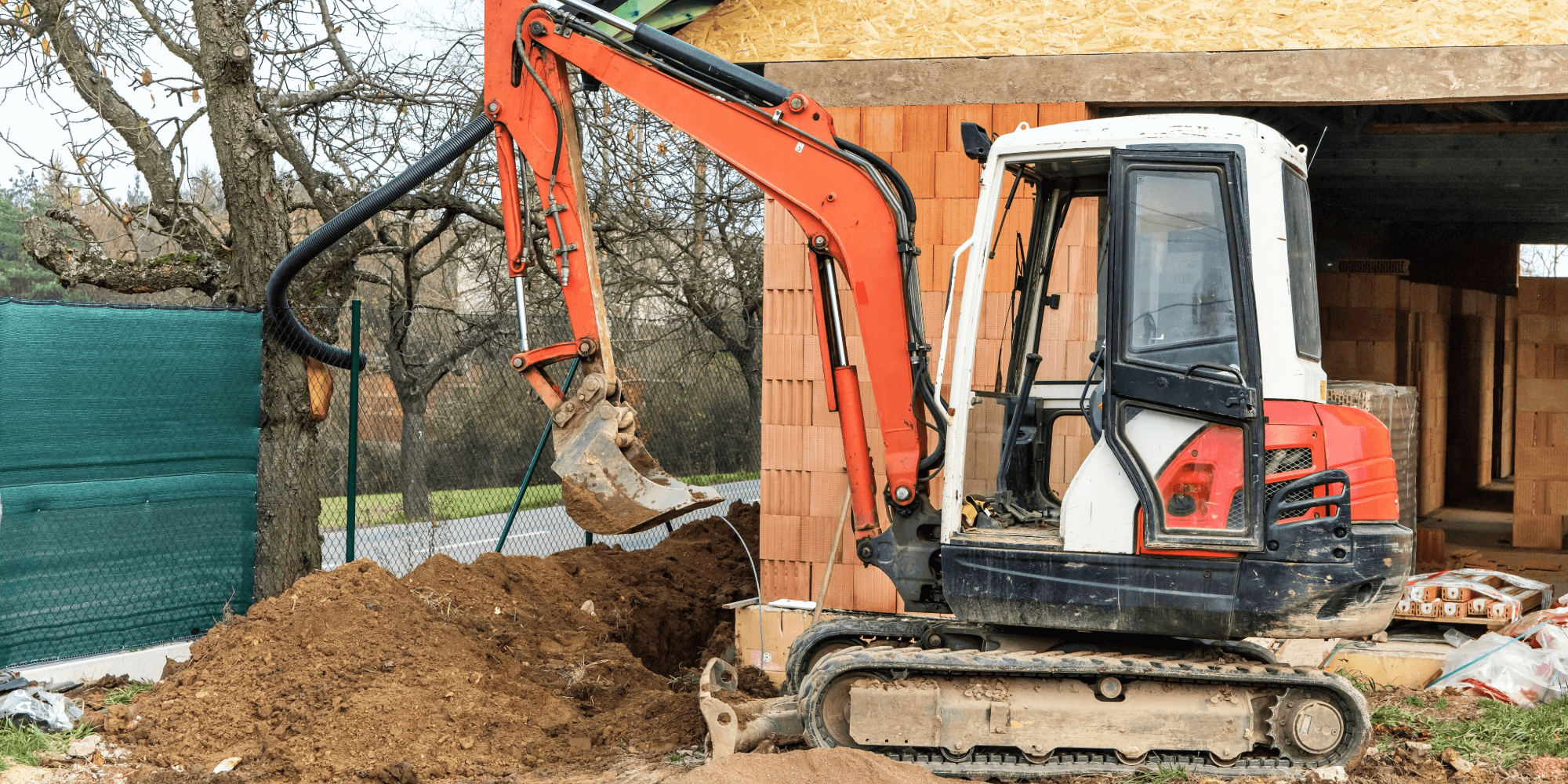
What Counts as a Mini Digger?
A mini digger, or compact excavator, is typically under 3 tonnes in weight. They’re commonly used for:
Garden landscaping
Small-scale demolition
Residential groundworks
Utility repairs in tight spaces
Mini diggers are easier to transport, store and operate in confined areas but their smaller size doesn’t mean they’re risk-free.
What About Standard or Large Excavators?
Standard excavators range from 7 to 45 tonnes and are used in heavy-duty construction, infrastructure, and commercial groundwork. They often feature:
High-powered hydraulics
Larger buckets and attachments
Greater dig depth and reach
Higher replacement and repair costs
They may require specialist operators and transport permits depending on size and road use.
Key Insurance Differences
| Feature | Mini Digger | Large Excavator |
|---|---|---|
| Risk Level | Lower (typically domestic jobs) | Higher (construction & industrial use) |
| Replacement Cost | £10,000–£30,000 | £50,000–£250,000+ |
| Hire Charges (CPA) | Lower daily rates | Higher ongoing liability |
| Transit Cover | Essential for trailer towing | Needed for low-loader transport |
| Liability Risk | Lower but still present | Higher due to project complexity |
Insurers may rate your policy based on these factors, adjusting premiums, excess levels, and cover limits accordingly.
Don’t Underinsure a Mini Digger
Because mini diggers are smaller, some contractors make the mistake of underinsuring them or relying on home or van insurance to cover transport.
But:
They’re highly targeted by thieves
Road incidents while towing are common
Most site owners still require proof of plant cover
Always make sure your policy reflects the actual value, hire terms, and liability risk of your digger, regardless of its size.
Final Thoughts
Whether you’re operating a 1.5-tonne mini digger or a 25-tonne tracked excavator, having the right insurance in place is key to keeping your business protected. Know the differences, tailor your policy, and avoid paying for more, or less than you need.


Related Articles
Top 5 Dumper Truck Insurance Claims (and How to Avoid Them)
Dumper trucks are tough machines, but they’re not immune to risk. From theft to tip-overs, the types of claims insurers see from UK construction and groundwork firms often follow a pattern. In this blog, we reveal the five most common dumper truck insurance claims, and how you can avoid them to reduce downtime and protect your insurance premium.

Owned vs Hired Dumper Truck Insurance, What’s the Difference?
Whether you own your dumper trucks or hire them in for specific jobs, the type of insurance you need can differ significantly. Confusing these two could leave you underinsured, or paying for cover you don’t need. This guide explains the key differences between owned and hired-in dumper truck insurance, and how to choose the right policy for your business.
Do I Need Dumper Truck Insurance? A Quick Guide for UK Site Operators
Dumper trucks are essential for moving heavy loads on construction and groundwork sites but they’re also high-risk machines prone to accidents, theft and damage. Whether you own or hire a dumper, having the right insurance in place is key to keeping your business protected and projects moving.