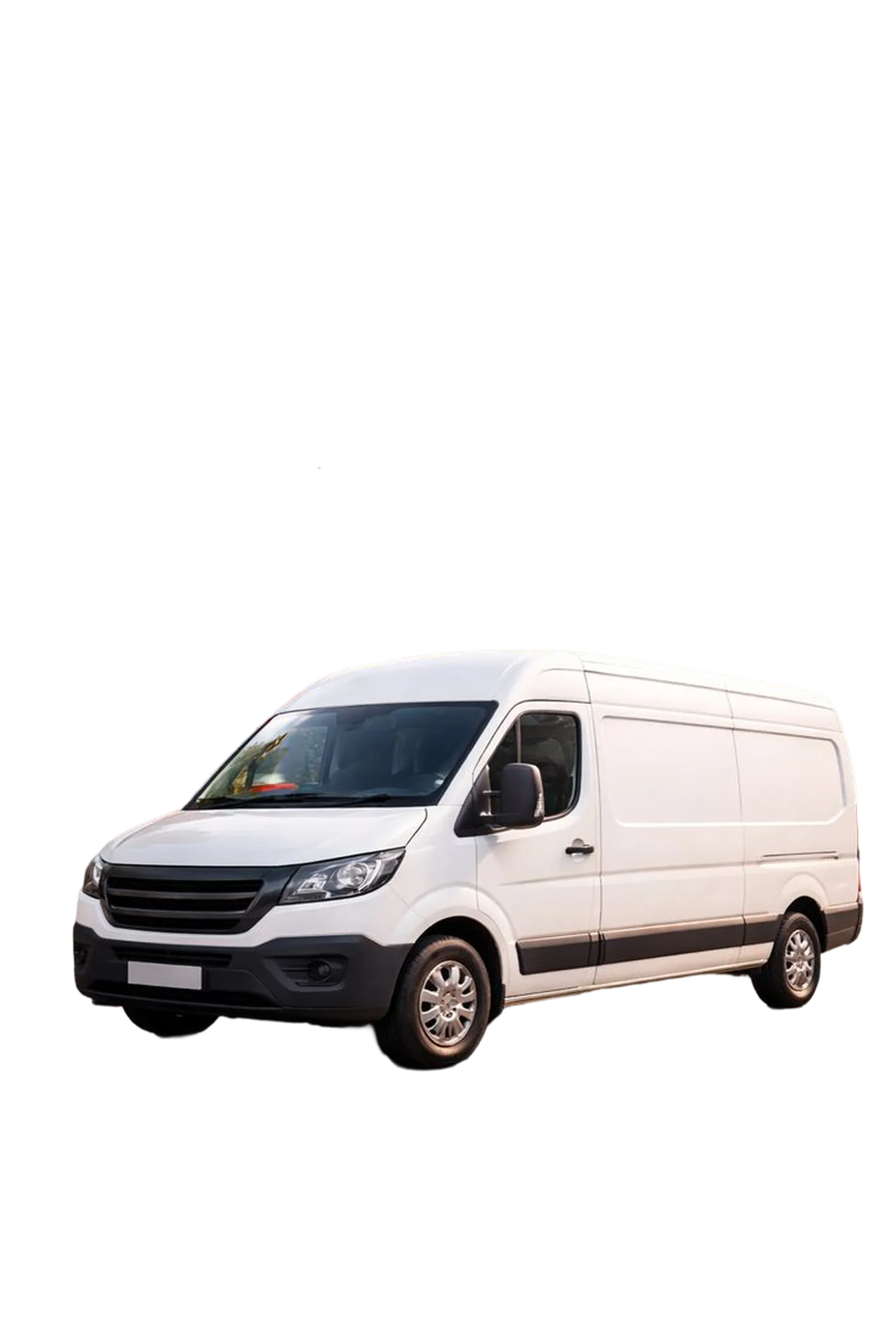


Electrician
How to Choose the Right Van Insurance: Electricians
 17 November 2026
 7 min read
If you're an electrician, your van is more than just transport. You rely on it to carry tools, testing equipment, cables and materials between jobs.
Choosing the right van insurance means looking beyond the vehicle itself. You also need to think about what you carry, how you use your van and who needs to drive it.
Whether you're a self-employed electrician or run an electrical contracting business, the right policy can help protect an important business asset.
Here are six things to consider when choosing van insurance for electricians.
1. Choose the right type of business van insurance
First, make sure your policy reflects how you use your van.
If you travel between customer properties and carry your own tools, equipment and electrical materials, you'll usually need business van insurance with the correct trade use.
You may also need carriage of own goods cover. This applies when you transport tools, equipment or materials that belong to you or your business.
If you receive payment to transport goods belonging to other people, you may need hire and reward or courier cover instead.
Always explain your work and what you carry when requesting a quote. The wrong class of use could leave you without the protection you expect.
2. Compare the different levels of van insurance
Once you've identified the right type of cover, consider how much protection you need.
Most van insurance policies offer three main levels:
Third Party Only: Covers injury or damage you cause to other people and their property. It does not cover damage to your own van.
Third Party, Fire and Theft: Includes third-party cover, plus protection if your van suffers fire damage or theft.
Comprehensive: Can cover damage to your own van, as well as third-party claims, fire and theft, subject to the policy terms.
If you rely on your van every day, consider how you would manage if an accident left it off the road.
However, comprehensive cover is not automatically the best choice for every business. Compare the benefits, excesses and exclusions before deciding.
3. Check whether your tools and testing equipment are covered
Electricians often carry valuable tools and specialist testing equipment. This could include:
Multimeters and voltage testers.
Insulation resistance testers.
Cable cutters and wire strippers.
Power drills and other power tools.
Cable reels, fittings and electrical materials.
Don't assume your van insurance automatically covers these items. You may need separate Tools and Equipment Insurance.
When comparing policies, check whether cover applies:
While tools are inside your van.
When you leave equipment at a customer's property.
While loading and unloading your van.
When you store tools overnight.
If equipment suffers accidental damage as well as theft.
Some insurers set security rules, such as requiring you to lock your van or use approved storage. Check the limits and conditions before choosing a policy.
4. Consider who needs to drive your van
If you work alone, a policy that covers you as the main driver may be enough.
However, if you employ electricians, apprentices or other staff, you need to make sure your policy covers everyone who drives the vehicle.
You may be able to choose between:
Named-driver cover: You list each person who can drive your van. This can suit a business with a small, regular team.
Any-driver cover: This can let eligible employees use your van without naming each person individually. Insurers may set minimum age, licence and driving experience requirements.
Any-driver cover can make managing a growing electrical business easier, but check the restrictions and cost before choosing it.
5. Think about additional cover
Your van helps you reach jobs and earn money. If it breaks down or suffers damage, you could miss appointments and lose income.
Depending on your needs, consider adding:
Breakdown cover: Helps if your van breaks down and needs roadside assistance or recovery.
Replacement vehicle cover: May provide another vehicle after an insured incident, subject to the policy terms. Check that it can carry your tools and equipment.
Goods in Transit Insurance: Can protect electrical materials or other goods you transport against specified risks.
Tools cover: Helps protect your work equipment against theft or damage.
You don't need every extra. Choose options that address the risks your business faces.
6. Compare electrician van insurance quotes
The cheapest quote may not offer the right protection for your work.
Compare the full policy details, including the excess, exclusions, cover limits and security requirements.
Insurers may consider several factors when setting your premium:
Your age and driving history.
Your van's make, model and value.
Your annual mileage.
The type of electrical work you carry out.
Where you park your van overnight.
The number of drivers on your policy.
Your previous claims history.
Give accurate information when requesting a quote. If your work or vehicle use changes, tell your insurer so you can check whether your cover needs updating.
If your electrical business operates several vans, you could also explore van fleet insurance. This can bring two or more vans under one policy, with a single renewal date.
Find electrician van insurance with Insurance Revolution
Your van plays an important role in your electrical business. Choosing suitable insurance can help protect it, while additional cover can help protect the tools and equipment you rely on.
At Insurance Revolution, we help electricians explore business van insurance options through a panel of insurers. Our team can discuss your vehicle, trade and cover requirements to help find a suitable policy.
Get an electrician van insurance quote with Insurance Revolution or call us on 0330 808 1404.
Sources


Related Articles

When Should Electricians Consider Fleet Insurance?
As an electrical business grows, one van can quickly turn into two, three or more. You might take on another electrician, employ an apprentice or expand into new areas.

Do Self-Employed Electricians Need Insurance?
Working as a self-employed electrician gives you the freedom to run your own business. However, it also means you take responsibility when something goes wrong. A damaged electrical installation, an accident at a customer's property or stolen tools could leave you facing unexpected costs.

When Should Builders Consider Fleet Insurance?
As a building business grows, managing vehicles can become more complicated. You might start with one van and gradually add another as you take on more projects, employ staff or expand your services. At some point, managing separate van insurance policies may no longer make sense.