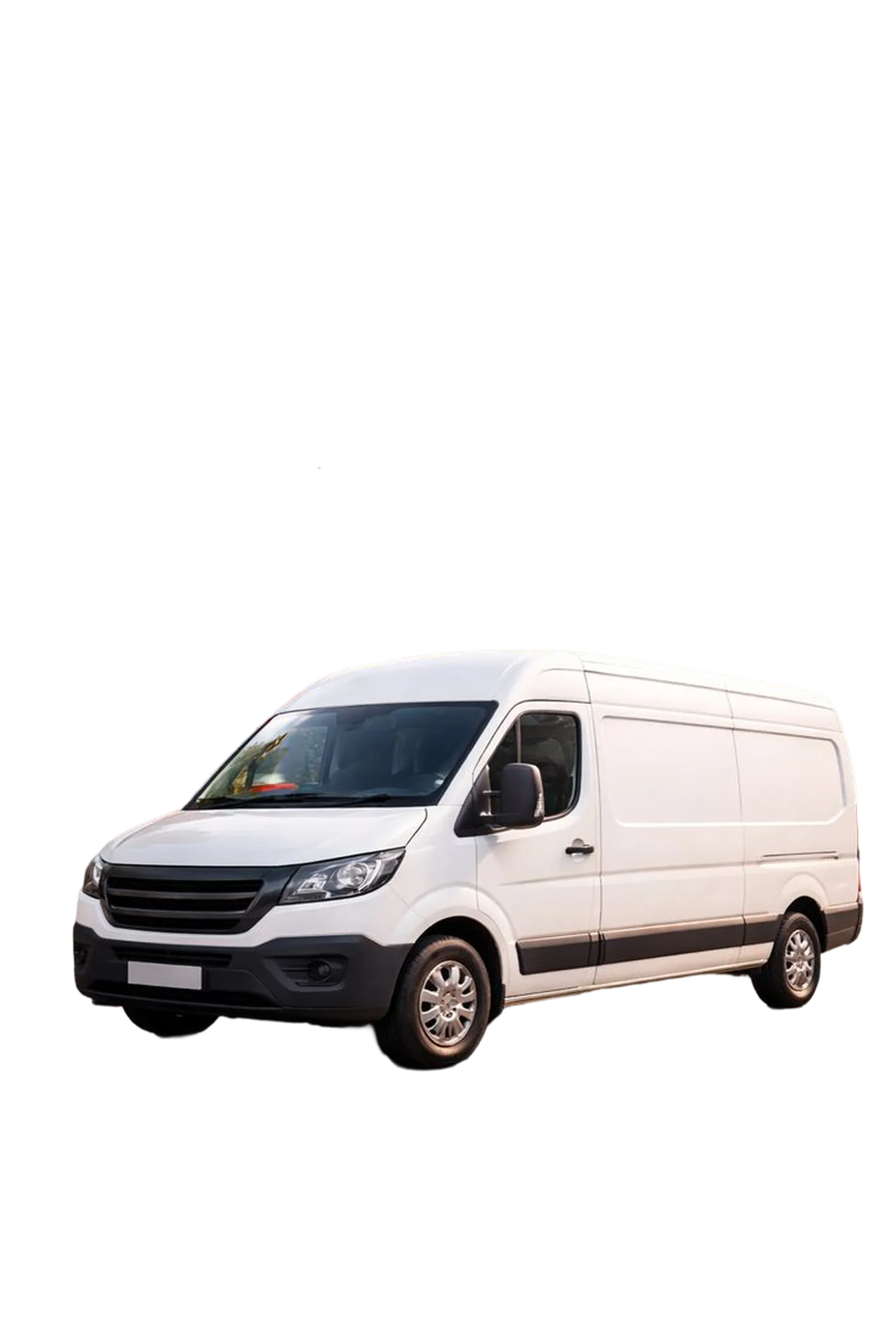


Builder
When Should Builders Consider Fleet Insurance?
 17 November 2026
 7 min read
As a building business grows, managing vehicles can become more complicated. You might start with one van and gradually add another as you take on more projects, employ staff or expand your services.
At some point, managing separate van insurance policies may no longer make sense.
This is where fleet insurance for builders could help. It allows you to insure multiple business vehicles under one policy, making it easier to manage your vehicles and their drivers.
But when should you consider fleet insurance for your building business? Here are six signs that it could be time to make the switch.
1. You've bought a second work van
Buying a second van is often the first sign that your building business is growing.
Perhaps you've taken on another builder, hired an apprentice or need a separate vehicle for different jobs. Whatever the reason, you now have more than one vehicle to insure.
With Insurance Revolution, you can start a fleet insurance policy with just two vehicles. This means you don't need a large construction company to benefit from fleet cover.
Instead of managing separate policies, you could bring your business vehicles together under one arrangement.
2. You're employing more builders and tradespeople
As your team grows, you may need more vehicles to help employees travel between jobs.
For example, you might have one van for your general building team and another for your plumbing or electrical subcontractors.
This can make managing insurance more complex, particularly when several employees need access to different vehicles.
Fleet insurance can offer named-driver or any-driver options, depending on the insurer and policy terms.
Named-driver cover lists the people allowed to drive your vehicles. Any-driver cover can give eligible employees more flexibility without naming every driver individually.
Check any age, experience and licence restrictions before choosing a policy.
3. You're working across multiple building sites
Taking on more projects often means travelling between different locations.
Your team might work on a house extension in one area while another group completes a renovation elsewhere. Having several vans can help you move workers, tools and materials between jobs.
However, managing separate insurance policies for each vehicle can create extra administration.
Fleet insurance brings multiple vehicles together under one policy. It can also give you one renewal date, making it easier to keep track of your business vehicle insurance.
Remember that the policy must still reflect how you use each vehicle and who drives it.
4. Your business is expanding its services
Some builders start by offering general building work before expanding into other trades.
You might add landscaping, roofing, groundworks or property maintenance to your services. As a result, you may need different vehicles to support your work.
For example, your business could operate several vans alongside a pickup truck or other commercial vehicles.
Some fleet policies can cover different vehicle types under one arrangement. This may make fleet insurance a practical option if your business operates a mix of vehicles.
However, not every insurer covers every vehicle type, so check that the policy suits your fleet.
5. You're spending too much time managing separate policies
Managing several vehicles can create a surprising amount of paperwork.
You may have different renewal dates, policy documents and payment schedules to keep track of. If you regularly add vehicles or change drivers, this can become even more time-consuming.
Fleet insurance can simplify this process by bringing your vehicles together under one policy.
Depending on your arrangement, you may also be able to add or remove vehicles during the policy term. Always check the insurer's rules and whether administration fees apply.
This can be particularly useful for building businesses that expect their vehicle requirements to change throughout the year.
6. You want to plan for future business growth
You don't have to wait until your business operates a large fleet before exploring your options.
If you expect to employ more people, buy additional vans or take on larger contracts, it may be worth comparing fleet insurance now.
Planning ahead can help you understand how your insurance needs may change as your business grows.
However, fleet insurance is not automatically cheaper than insuring vehicles separately. Compare the total cost, cover limits, excesses and driver restrictions before making a decision.
What should builders consider before taking out fleet insurance?
Before arranging fleet insurance, think about the vehicles and drivers you need to cover.
Insurers may ask for information such as:
The number and types of vehicles in your fleet.
The age and experience of your drivers.
Your annual mileage and business activities.
Where you keep your vehicles overnight.
Your claims and driving history.
Whether you need named-driver or any-driver cover.
You should also consider what you carry in your vans. Standard motor insurance does not automatically cover tools, equipment or building materials. You may need separate tools or goods in transit cover.
Finally, make sure you maintain your vehicles and manage driver safety. The HSE provides guidance on keeping vehicles used for work safe and suitable.
Find fleet insurance for your building business with Insurance Revolution
Whether you operate two vans or a growing fleet of commercial vehicles, having the right insurance can help you manage your business on the road.
At Insurance Revolution, we help builders and construction businesses explore fleet insurance options through a panel of specialist insurers.
We can help you find cover that reflects your vehicles, drivers and business requirements.
Get a fleet insurance quote with Insurance Revolution or call our team on 0330 808 0730 to discuss your requirements.
Footnotes and sources


Related Articles

When Should Electricians Consider Fleet Insurance?
As an electrical business grows, one van can quickly turn into two, three or more. You might take on another electrician, employ an apprentice or expand into new areas.


How to Choose the Right Van Insurance: Electricians
If you're an electrician, your van is more than just transport. You rely on it to carry tools, testing equipment, cables and materials between jobs. Choosing the right van insurance means looking beyond the vehicle itself.
Do Self-Employed Electricians Need Insurance?
Working as a self-employed electrician gives you the freedom to run your own business. However, it also means you take responsibility when something goes wrong. A damaged electrical installation, an accident at a customer's property or stolen tools could leave you facing unexpected costs.