

Business Van
Charging at Home, at the Depot or on the Road: Business Van Guide
 17 November 2026
 7 min read
Electric vans can help businesses reduce fuel costs and lower their emissions. However, switching from diesel or petrol brings a new consideration: where will you charge your vehicles?
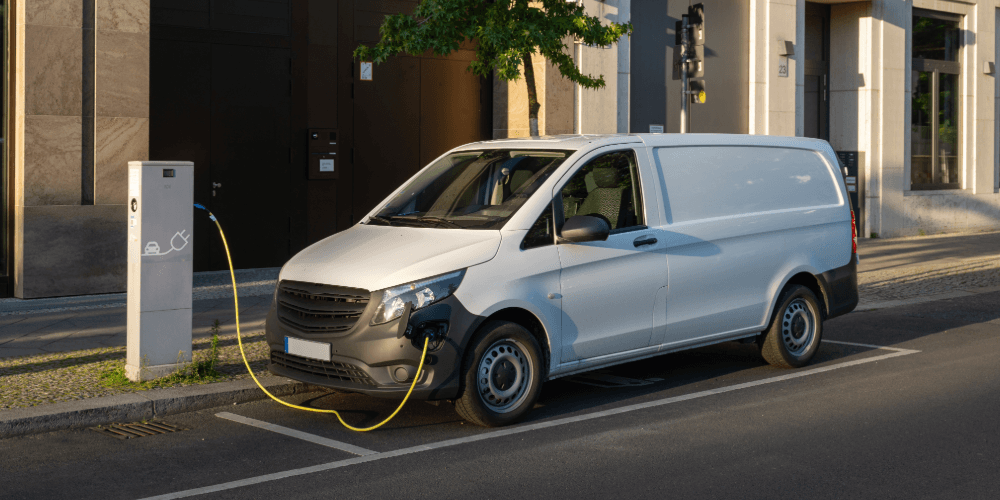
You can charge an electric business van at home, at your business premises or at public charging points. Each option has different costs, benefits and practical considerations.
The right approach depends on your daily mileage, vehicle use, parking arrangements and business requirements. This guide compares the three main options to help you choose a suitable charging strategy.
1. Charging an electric business van at home
Home charging can work well for sole traders and businesses whose drivers take their vans home overnight.
A dedicated home chargepoint allows drivers to charge their vans while they are parked. Many home chargers offer 3kW or 7kW charging, although the charging speed will also depend on the vehicle's capabilities.
Benefits of home charging include:
Convenience: Drivers can charge overnight without making a separate journey to a charging station.
Potential savings: Some electricity tariffs offer cheaper rates during off-peak hours.
Less downtime: Drivers can start the working day with a charged battery.
Flexible working: Home charging can suit businesses without a central depot.
However, home charging will not suit every driver. Employees need suitable off-street parking to install a private chargepoint. Businesses should also consider installation costs and agree how they will reimburse employees for electricity used for work.
HMRC confirms that employers can reimburse employees for electricity used to charge company cars and vans at home without creating a separate taxable benefit, provided they can demonstrate that the electricity relates to charging the company vehicle.
A clear reimbursement process can help businesses track costs and avoid disputes. Smart chargers and charging apps can also record electricity use.
2. Charging electric vans at your business depot
If your business operates several electric vans, installing charging points at a depot could offer a more centralised solution.
Drivers can plug in their vehicles when they return from work. The business can then charge them overnight or during quieter periods.
Benefits of depot charging include:
Greater control: You can manage charging schedules and monitor electricity use.
Potentially lower running costs: Businesses can use suitable electricity tariffs and smart charging systems.
Fleet management: Drivers can collect vehicles with sufficient battery charge for their planned journeys.
Less reliance on public chargers: Your team can start the day without needing to find an available charging point.
However, installing depot charging infrastructure requires an upfront investment. You may need electrical upgrades, new chargepoints and permission from your landlord if you rent the premises.
You should also assess how many vehicles need charging at the same time. A business with ten electric vans may not need ten high-powered chargers if the vehicles remain parked overnight.
The Energy Saving Trust recommends assessing charging speeds, vehicle requirements and the site's electricity supply before installing depot chargepoints.
Smart charging and load management can help distribute available electricity across several vehicles. This can reduce pressure on the site's electrical supply and help manage costs.
3. Charging electric business vans on the road
Public charging points provide another option, particularly for businesses that cover long distances or operate across several locations.
Rapid and ultra-rapid chargers can add range during a working day. Drivers can use them during breaks, between appointments or while waiting for deliveries.
Benefits of public charging include:
Greater flexibility: Drivers can charge away from home or the depot.
Long-distance travel: Rapid chargers can help vehicles cover longer routes.
No installation costs: Businesses do not need to install their own charging infrastructure.
Wider access: Public networks can support drivers who cannot charge at home.
However, public charging often costs more than charging at home or at a depot. Prices vary between providers, locations and charger speeds.
Drivers may also need to use different apps, contactless payments or charging cards. This can make expense tracking more complicated.
Businesses can simplify the process by using a charging card or fleet charging account. These services can help drivers access different networks and give employers a clearer record of charging expenses.
Planning routes around available charging points can also reduce delays. Drivers should check charger availability, charging speeds and estimated charging times before setting off.
Which charging option is best for your business?
There is no single charging solution that suits every business. Your choice should reflect how often your vans travel, where drivers park and how much time vehicles spend off the road.
For example:
Sole traders: Home charging may offer the simplest option if you have off-street parking.
Small businesses: A mix of home and public charging may provide enough flexibility.
Businesses with several vans: Depot charging could make fleet management easier.
High-mileage businesses: Public rapid charging may be necessary alongside home or depot charging.
Many businesses will benefit from combining all three options. For example, drivers could charge overnight at home or at the depot, then use public rapid chargers when they need extra range.
What should you consider before switching to electric vans?
Before investing in electric business vans, consider more than the vehicle purchase price.
Think about:
Daily mileage: Check whether the van's real-world range suits your usual routes.
Parking arrangements: Decide whether drivers can charge at home or whether you need depot facilities.
Installation costs: Get quotes for chargepoints and any electrical upgrades.
Electricity prices: Compare business and domestic tariffs, including off-peak options.
Driver expenses: Decide how you will record and reimburse home charging.
Public charging access: Check whether charging networks cover your usual routes.
You should also review your business van insurance before putting an electric vehicle into service. Make sure your insurer understands the vehicle you operate and how you use it. Check the policy wording for details of battery cover, charging equipment and any specialist repair requirements.
Find the right business van insurance
Choosing how to charge your electric vans is only one part of running a business vehicle. You also need insurance that reflects your vehicle, drivers and business activities.
At Insurance Revolution, we help businesses explore suitable commercial van insurance options, including cover for electric vans.
Whether you operate one van or manage a growing fleet, speak to our team about your requirements.
Call Insurance Revolution on 0330 808 1404 or visit our Business Van Insurance page to find out more.
Sources
HMRC: Electric charging of company cars and vans at residential properties.
Energy Saving Trust: Charging your business's electric vehicles.
Insurance Revolution: Business Van Insurance.


Related Articles

Any Driver Van Insurance: What You Need to Know
When several employees need to share a business van, managing named drivers can become time-consuming. Every time someone joins the team or changes roles, you may need to update your insurance policy.


Switching a Trade Van to Electric: What UK Tradespeople Need to Know
Electric vans are becoming a more common choice for UK businesses. From plumbers and electricians to builders and landscapers, more tradespeople are considering a switch from diesel to electric.
Is Electric Van Insurance Cheaper for Your Business?
Switching to an electric van could help your business reduce fuel costs and lower its environmental impact. But before making the move, you need to consider the cost of insuring it. So, is electric van insurance cheaper than diesel van insurance?