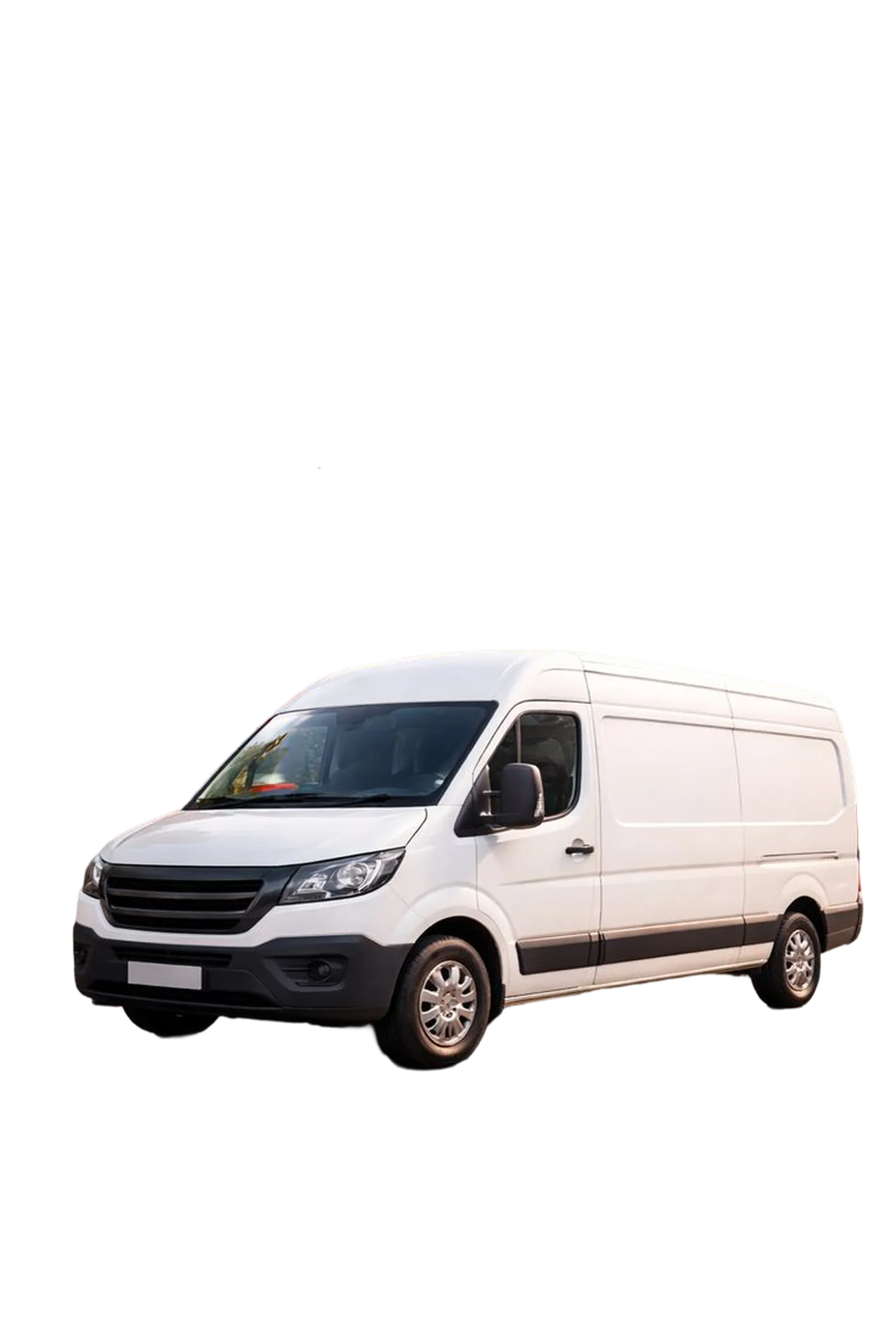


Business Van
Switching a Trade Van to Electric: What UK Tradespeople Need to Know
 17 November 2026
 7 min read
Electric vans are becoming a more common choice for UK businesses. From plumbers and electricians to builders and landscapers, more tradespeople are considering a switch from diesel to electric.
An electric van could help reduce fuel and maintenance costs. It may also help your business lower its carbon emissions. However, the switch involves more than choosing a new vehicle.
Before replacing your existing trade van, you should consider its range, payload, charging requirements and overall running costs. This guide explains what to look at before making the move.
Is an electric van suitable for your trade?
The first question is whether an electric van can handle your everyday work.
Think about how far you travel, how often you visit different jobs and what you carry. A plumber who works within one local area may have different requirements from a builder who regularly travels between sites.
Check the following before choosing a model:
Driving range: Compare the manufacturer's stated range with your usual daily mileage. Cold weather, heavy loads, motorway speeds and frequent stops can reduce real-world range.
Payload: Check how much weight the van can legally carry. Tools, equipment, materials and passengers all count towards the payload.
Storage: Make sure the van has enough space for your tools, materials and any fitted shelving or trade equipment.
Charging access: Consider whether you can charge at home, at your business premises or near your regular work locations.
Journey patterns: Think about whether you can complete your usual jobs without needing to recharge during the working day.
The Energy Saving Trust recommends checking daily mileage, charging arrangements and payload before buying an electric van.
How much does it cost to switch to an electric van?
Electric vans can cost more to buy than comparable diesel models. However, the purchase price is only one part of the overall cost.
Electricity can cost less than diesel or petrol, particularly if you charge at home or at a depot using a suitable tariff. Electric vans also have fewer moving parts in their drivetrains, which can reduce some routine maintenance requirements.
However, public rapid charging can cost more than home charging. You should also factor in the cost of installing chargepoints, insurance, vehicle finance and any specialist repairs.
Compare the total cost of ownership rather than focusing only on the initial price. This will give you a clearer picture of whether an electric van makes financial sense for your business.
Can you get a grant for an electric trade van?
Government support may help reduce the upfront cost of switching.
The UK government's Zero Emission Van Grant offers a discount on eligible new electric vans. The maximum available discount is currently £2,500 for some small vans and £5,000 for some large vans. The dealer applies the discount to the purchase price, so you do not apply for it yourself.
Not every electric van qualifies. Eligibility depends on the vehicle, and grant availability and criteria can change. Check the official government list before choosing a model.
Businesses planning to install workplace charging points may also qualify for support through the Workplace Charging Scheme. From April 2026, eligible businesses can claim up to £500 per socket, for up to 40 sockets across their sites. The scheme is currently due to run until 31 March 2027.
These grants can make switching more affordable, but you should check the eligibility rules before including any discount in your budget.
What about charging your electric trade van?
Charging access can make or break your decision to switch.
If you have a driveway or private parking space, home charging may offer a convenient option. You can charge overnight and start the day with a ready-to-use van.
Businesses with several vehicles may benefit from installing chargepoints at their depot. This can help them manage charging schedules and monitor electricity use.
Public charging can support tradespeople who travel further or cannot charge at home. However, you should consider charger availability, charging speed and cost when planning your routes.
For a closer look at the options, read our guide to charging a business van at home, at a depot or on the road.
Will switching to electric reduce your van tax?
Do not assume that an electric van is automatically exempt from vehicle tax.
Since April 2025, electric vans have been subject to Vehicle Excise Duty (VED). Most electric vans now pay the standard annual rate for light goods vehicles. The amount depends on the vehicle's registration and tax class.
You should include vehicle tax in your cost comparison alongside insurance, charging and maintenance.
Does your business van insurance need to change?
Yes, you should tell your insurer or broker before replacing your existing van with an electric model.
Your new vehicle may have a different value, specification and repair requirements. Electric vans can also have specific battery and charging equipment considerations.
Check that your business van insurance reflects:
The correct electric van make, model and value.
How you use the vehicle and the trade you carry out.
Your annual business mileage and usual drivers.
Any tools, equipment or materials you carry.
Whether you need additional cover for tools or goods in transit.
Do not assume that your existing policy will automatically transfer to a different vehicle. Confirm the change with your insurer before driving the replacement van.
Is switching your trade van to electric worth it?
An electric van can suit tradespeople who travel predictable distances, have access to reliable charging and can work within the vehicle's payload limits.
However, it may not suit every business. Long-distance work, heavy loads and limited charging access can make the switch more difficult.
Take time to compare suitable models, calculate your likely running costs and check available grants. A little planning can help you avoid buying a van that does not meet your business needs.
Get the right insurance for your electric trade van
Whether you drive a diesel or electric van, having suitable business van insurance matters.
At Insurance Revolution, we help tradespeople explore van insurance options that reflect their vehicle, occupation and business use.
Call us on 0330 808 1404 or visit our Business Van Insurance page to find out more.
Sources
Energy Saving Trust: Electric vans: advice for businesses.
GOV.UK: Changes to electric vehicle chargepoint grant schemes from 1 April 2026.
GOV.UK: Vehicle tax for electric, zero and low emission vehicles.
Insurance Revolution: Business Van Insurance.


Related Articles

Any Driver Van Insurance: What You Need to Know
When several employees need to share a business van, managing named drivers can become time-consuming. Every time someone joins the team or changes roles, you may need to update your insurance policy.

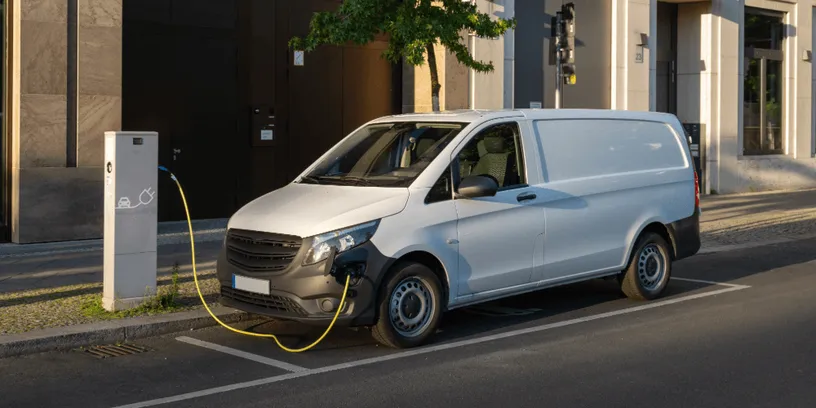
Charging at Home, at the Depot or on the Road: Business Van Guide
Electric vans can help businesses reduce fuel costs and lower their emissions. However, switching from diesel or petrol brings a new consideration: where will you charge your vehicles?
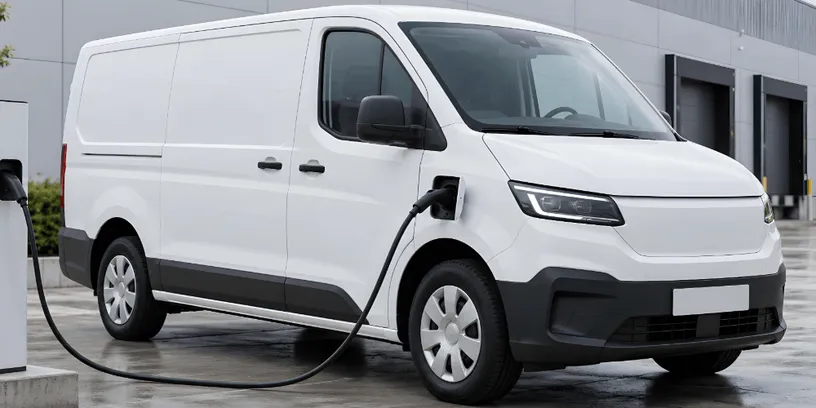
Is Electric Van Insurance Cheaper for Your Business?
Switching to an electric van could help your business reduce fuel costs and lower its environmental impact. But before making the move, you need to consider the cost of insuring it. So, is electric van insurance cheaper than diesel van insurance?